A university don and an expert in stroke management, Professor Arthur
Onwuchekwa, has expressed worry over the increasing cases of
hypertension and stroke in the country.
Onwuchekwa explained that though, the cause of hypertension was
preventable, the lifestyle of some Nigerians was making stroke difficult
to conquer.
The expert, who is a lecturer in the Department of Medicine, Faculty of
Clinical Science, University of Port Harcourt, spoke while delivering a
lecture titled, ‘Stroke: A Preventable Disaster Waiting to Happen’ at
the 135th Inaugural Lecture of the university,
He identified excessive alcohol intake, too much consumption of salt and
poor diet as some of the reasons why people suffered stroke, even as he
expressed the need for a healthy life style, including regular exercise
among Nigerians.
“The prevalence of stroke is high in Nigeria and no age race or class is
speared. There are medical conditions that can be controlled in order
to reduce stroke.
Hypertension is the commonest cause of stroke. If we reduce hypertension
by 10 percent, the mass effect in reduction of stroke will be
gladdening.
“Some kind of lifestyle like excessive intake of salt and alcohol can
cause hypertension. Salt and alcohol damage the blood vessels and cell.
“If you don’t engage in physical exercise, it is also dangerous. Even
poor diet can lead to stroke. If somebody does not control his diabetes
he would be prone to stroke.

Thursday, 3 November 2016

Foods that can reduce high blood Presure
Carrot
Carrots are high in potassium and beta-carotene which have been shown to be effective in reducing high blood pressure that can lead to heart disease. Carrot juice helps maintain normal blood pressure by regulating heart and kidney functions.
Avocados
The oleic acid found in avocados can reduce high blood pressure and cholesterol levels. They also contain potassium and folate, which both essential for heart health.
Cabbage
Cabbage is high in a chemical compound called glutamic acid, which help in reducing blood pressure. Glutamic acid is the most common amino acid and accounts for almost a quarter of vegetable protein and nearly a fifth of animal protein.
Garlic
Eating one of clove of garlic a day was found have beneficial effects on controlling hypertension. In a study observed, people with high blood pressure who were given one clove of garlic a day for 12 weeks, their diastolic blood pressure and cholesterol levels are significantly reduced.
Onion
Like garlic, onions are also useful in managing hypertension. The sulfur-containing compounds in onions have been shown to reduce high blood pressure. It is not surprising because onion is a cousin of garlic.
Potatoes
The health benefits of potatoes are often overlooked because it is usually served in unhealthy ways, such as French fries, or potato chips. But in fact, potatoes are an excellent source of fiber and potassium which have been proven to reduce blood pressure.
Green tea
Many evidence have showed that Green Tea can help reduce high blood pressure risk. A study conducted in Taiwan found that people who drank at least 20 ounces (600 ml.) of green tea daily for at least one year had 65% lower risk of high blood pressure than those who do not.
Carrots are high in potassium and beta-carotene which have been shown to be effective in reducing high blood pressure that can lead to heart disease. Carrot juice helps maintain normal blood pressure by regulating heart and kidney functions.
Avocados
The oleic acid found in avocados can reduce high blood pressure and cholesterol levels. They also contain potassium and folate, which both essential for heart health.
Cabbage
Cabbage is high in a chemical compound called glutamic acid, which help in reducing blood pressure. Glutamic acid is the most common amino acid and accounts for almost a quarter of vegetable protein and nearly a fifth of animal protein.
Garlic
Eating one of clove of garlic a day was found have beneficial effects on controlling hypertension. In a study observed, people with high blood pressure who were given one clove of garlic a day for 12 weeks, their diastolic blood pressure and cholesterol levels are significantly reduced.
Onion
Like garlic, onions are also useful in managing hypertension. The sulfur-containing compounds in onions have been shown to reduce high blood pressure. It is not surprising because onion is a cousin of garlic.
Potatoes
The health benefits of potatoes are often overlooked because it is usually served in unhealthy ways, such as French fries, or potato chips. But in fact, potatoes are an excellent source of fiber and potassium which have been proven to reduce blood pressure.
Green tea
Many evidence have showed that Green Tea can help reduce high blood pressure risk. A study conducted in Taiwan found that people who drank at least 20 ounces (600 ml.) of green tea daily for at least one year had 65% lower risk of high blood pressure than those who do not.
Is there an early warning test for stroke?

Strokes
seem to come out of the blue. But most of them happen due to
decades-long damage to blood vessels and growth of artery-clogging
plaque. That raises the question: Is there an early warning test for
stroke?
Yes
and no. A test called the carotid ultrasound can detect the buildup of
cholesterol-filled plaque in the carotid arteries in the neck. These
arteries deliver blood to the brain. The test, which uses sound waves,
is quick, safe, and without any immediate potential for harm. It makes
perfect sense for someone experiencing lightheadedness, memory loss, or
the warning signs of a stroke or mini-stroke.
Having a carotid ultrasound test also makes sense for anyone in whom a
doctor hears an abnormal sound called a bruit (BREW-ee) as he or she
listens to the carotid arteries through a stethoscope. The scan is also a
reasonable idea when a person has known risk factors for stroke, such
as a previous "mini-stroke," high blood pressure, high cholesterol, or
diabetes. But a carotid ultrasound isn't a good idea for
otherwise healthy people at average risk for stroke.
For most people, a better approach would be to pay attention to fighting
things that cause or contribute to the formation and growth of
cholesterol-filled plaque — high blood pressure, high cholesterol,
obesity, diabetes, not enough exercise, smoking, and the like. Getting
those risk factors under control will go a long way to preventing
stroke.
Health Benefits Of Onions
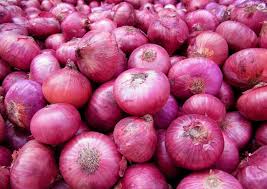
Never mind the tears they bring on–onions are an ace ally in your fight
against disease. A prized member of the lily family, onions lavish you
with health benefits while adding oodles of taste to your food. Not to
mention you can buy a bundle from the markets or store for a little amount of money.
Here’s a quick glimpse at their incredible health benefits:
1. The phytochemicals in onions along with their vitamin C help improve immunity.
Here’s a quick glimpse at their incredible health benefits:
1. The phytochemicals in onions along with their vitamin C help improve immunity.
2. Onions contain chromium, which assists in regulating blood sugar.
3. For centuries, onions have been used to reduce inflammation and heal infections.
4.Do you enjoy sliced onions with your food? If yes, rejoice! Raw onion lowers the production of bad cholesterol (LDL), thus keeping your heart healthy.
5. A powerful compound called quercetin in onions is known to play a significant role in preventing cancer.
6 Got stung by a honeybee? Apply onion juice on the area for immediate relief from the pain and burning sensation.
7. Onions scavenge free radicals, thereby reducing your risk of developing gastric ulcers.
Those bright green tops of green onions are rich in Vitamin A, so do use them often.
Which type of onions are the healthiest? Researchers from Cornell studied 11 onion varieties, and found that shallots and Western yellow onions were the healthiest for their phenolic and flavonoid content.
3. For centuries, onions have been used to reduce inflammation and heal infections.
4.Do you enjoy sliced onions with your food? If yes, rejoice! Raw onion lowers the production of bad cholesterol (LDL), thus keeping your heart healthy.
5. A powerful compound called quercetin in onions is known to play a significant role in preventing cancer.
6 Got stung by a honeybee? Apply onion juice on the area for immediate relief from the pain and burning sensation.
7. Onions scavenge free radicals, thereby reducing your risk of developing gastric ulcers.
Those bright green tops of green onions are rich in Vitamin A, so do use them often.
Which type of onions are the healthiest? Researchers from Cornell studied 11 onion varieties, and found that shallots and Western yellow onions were the healthiest for their phenolic and flavonoid content.
Friday, 21 October 2016
Diabetes.. Expert says consumption of maize good for disease management

A Nutritional Biochemist, Dr Ochuko Erukainure, said on Sunday that consumption of maize was good for the management of diabetes and obesity in both children and adult.
Erukainure,
a Senior Research Officer at the Federal Institute of Industrial
Research (FIIRO), Oshodi, told the News Agency of Nigeria (NAN) in Lagos
that maize was one of the seasonal foods good for healthy living.
He
said maize was rich in micro-nutrients like manganese, zinc, iron,
copper and selenium, adding that its consumption could address the
micro-nutrient deficiencies.
"Maize is part of the
food items being enjoyed by people in various forms such as whole corn,
corn flour, cornstarch, corn gluten, corn syrup, cornmeal, corn oil,
popcorn, cornflakes, among others.
"Apart from satisfying the taste buds of its users, maize is also a good source of vitamins, minerals and dietary fibre.
"Maize
is rich in ferulic acid, a phenolic compound with anti-cancer activity,
and anthocyanins found in purple corn is also a good antioxidant
phytochemicals with reported anti-cancer activity.
"Owing
to these phytochemicals and minerals, maize has been found to be
effective in the management of many diseases such diabetes, cancer, and
hypertension," Erukainure said.
The expert also
said that maize was very rich in thiamine or vitamin B1 necessary for
brain to absorb glucose and transform that food into energy.
"Biotin
or Vitamin B7 give nutritional benefits to maize, since the deficiency
of this vitamin in the body affects the state of the skin and hair.
"The
nutritional benefits of maize are also determined by its vitamin A,
which functions as an antioxidant in preventing diseases such as cancer.
"The
high fibre content is another characteristic linked to the nutritional
benefits of maize and makes it suitable for diets to lose weight and
lower cholesterol levels in the body," he said.
Erukainure
said that maize was nourishing snacks with no cholesterol, but
contained high fibre which was ideal for body building and weight-watch
when eaten in moderation.
He, however, advised
that maize should be eaten moderately to enhance its effectiveness in
strengthening the immune system for healthy life.
Tuesday, 27 September 2016
Mango leaves can cure disease, high blood pressure – Expert

Prof. Moses Adeniji, a Consultant Plant Pathologist at the Herbal Treatment Home of Human Diseases, Orogun, Ibadan, has disclosed that mango leaves can successfully cure diabetes at the early stage.
Adeniji made this disclosure in an interview with the News Agency of Nigeria (NAN) Ibadan on Wednesday.
He
said that the tender leaves of the mango tree contain “tannis”, known
as “anthocyanidins’’, could treat early diabetes and some other diseases
at their early stage.
He said that the leaves could be dried and grinded into powder and could also be used as infusion to treat some diseases.
“The
most useful parts of the leaves are the tender, reddish or purplish
part, while the old mango leaves, which are dark, green in colour and
with pale underside can also be dried and used.
“These
leaves are rich in vitamin C, B and A. They are also rich in various
nutrients. They have powerful antioxidant properties as they have a high
content of flavonoids and phenols.
“Mango
leaves are very useful for treating diabetes; the tender leaves which
contain tannins which are also called anthocyanidins, help in the early
treatment of diabetes.
“It also helps to treat diabetic `angiopathy’ and diabetic `retinopathy’; mango tea leaves are very good for this purpose.
“Soak the leaves in a cup of water overnight, strain and drink this tea to help relieve the symptoms of diabetes.
“The
leaves contain a compound called 3beta-taraxenol, and ethyl acetate
extract which synergise with insulin to activate GLUT4 and stimulate the
synthesis of glycogen,” he said.
The plant pathologist said that mango leaves could also be used in treating high blood pressure.
He
said that the leaves contain anti-hypertensive properties which help in
strengthening the blood vessels and treating the problem of varicose
veins.
Adeniji said that mango leaves could also
be used in treating kidney stones and gallstones, adding that the leaves
could be dried, grinded and added to water, left over night.
“Early morning consumption of the mixture and by the next morning could help in breaking the stones and flushing them out,’’ he said.
Adeniji also disclosed that mango leaves could cure all kinds of respiratory problems in both adults and children.
“The leaves are especially useful for people suffering from cold, bronchitis and asthma.
“Drinking
a decoction made by boiling mango leaves in water with a little honey
added to it helps in effectively curing cough and loss of voice,” he said.
He said that the mango leaves were available all year round in the country.
“Using them as anti-oxidant and antimicrobial properties help treat various ailments efficiently at home,” he said.
Thursday, 15 September 2016
Leverage your strengths for a more positive life

Strengths
are built-in capacities for certain thoughts, feelings, and behaviors.
Everyone has these capacities to one degree or another. Your particular
pattern of strengths is part of what makes you unique.
When
you play from your strengths, you are likely to feel more energetic and
perform better than when you are trying to use a capacity that comes
less naturally. For example, one person trying to influence a local
school board to ban soft drink sales might have the strength to speak up
forcefully and clearly at a general meeting (despite the
almost-universal fear of public speaking). Another person strong in
team-building might feel uncomfortable speaking out in a meeting but
could successfully build consensus among parents, nutritionists, and
others to weigh the issue and come to a decision.
Leveraging your strengths can help you accomplish many goals. Making
your strengths work for you, especially when the task at hand is
well-aligned with your personal values, can leave you feeling more
competent and connected.
4 ways to boost your self-compassion

Take a
moment to think about how you treat yourself when you make a mistake or
fail to reach a goal. If you tend to beat yourself up when things go
wrong, you, like most people, can use a little more self-compassion in
your life.
Forgiving
and nurturing yourself seem to have benefits in their own right. They
can even set the stage for better health, relationships, and general
well-being. So far, research has revealed a number of benefits of
self-compassion. Lower levels of anxiety and depression have been
observed in people with higher self-compassion. Self-compassionate
people recognize when they are suffering and are kind to
themselves at these times, thereby lowering their own levels of related
anxiety and depression.
Learn to have self-compassion
Some
people come by self-compassion naturally, but not everyone does.
Luckily, it is a learnable skill. Several methods have been proposed,
and training programs are being developed, to help people discover and
cultivate their own self-compassion.
Here are four ways to give your self-compassion skills a quick boost:
-
Comfort your body. Eat something healthy. Lie down and rest. Massage your own neck, feet, or hands. Take a walk. Anything you can do to improve how you feel physically gives you a dose of self-compassion.
-
Write a letter to yourself. Think of a situation that caused you to feel pain (a breakup with a lover, a job loss, a poorly received presentation). Write a letter to yourself describing the situation, but without blaming anyone — including yourself. Use this exercise to nurture your feelings.
-
Give yourself encouragement. Think of what you would say to a good friend if he or she was facing a difficult or stressful situation. Then, when you find yourself in this kind of situation, direct these compassionate responses toward yourself.
-
Practice mindfulness. Even a quick exercise, such as meditating for a few minutes, can be a great way to nurture and accept ourselves while we're in pain.

How medications can affect your balance |
Medications make a difference — generally a positive one — in the lives of many people. But at the same time, all drugs carry side effects — and with many medications, one or more of those side effects can alter your balance. How? According to the Centers for Disease Control and Prevention, common problems include vision changes, dizziness or lightheadedness, drowsiness, and impaired alertness or judgment. Some medications can even damage the inner ear, spurring temporary or permanent balance disorders.
Some of the commonly prescribed medications that can affect balance include:
- antidepressants
- anti-anxiety drugs
- antihistamines prescribed to relieve allergy symptoms
- blood pressure and other heart medications
- pain relievers, both prescription and non-prescription
- sleep aids (over-the-counter and prescription forms)
Sometimes the problem isn't a single
drug, but a combination of medications being taken together. Older
adults are especially vulnerable because drugs are absorbed and broken
down differently as people age.
If
you are concerned about how your medications may be affecting your
balance, call your doctor and ask to review the drugs you're taking,
their doses, and when you take them. It is never a good idea to just
stop taking a medication without consulting your doctor first.
Friday, 19 August 2016
Fear Grips Anambra State Residents as Lassa Fever Kills Medical Doctor
Following the tragic passing of a medical doctor in Anambra, several residents is now panicking.


A medical doctor has been confirmed dead in Anambra State following a fresh outbreak of Lassa fever.
This latest development has sent residents of the state into palpable fear.
According to Daily Post, the State Ministry of Health Thursday made
this announcement in Awka during a one-day Lassa fever training
workshop.
Speaking at the workshop, one of the resource persons, Dr. Jane
Ezeonu confirmed that the medical doctor died at the Nnamdi Azikiwe
Teaching Hospital, Nnewi, three days ago.
The Director of Public Health in the state, Dr Emmanuel Okafor, who
also spoke at the event confirmed that the state had equally recorded
three other deaths recently.
She warned the people of the state to avoid taking raw garri,
adding that they should protect their food and related items from rats.
According to him, “In Anambra State, we don’t know the number of cases of the disease, but we have three confirmed deaths”
He therefore, called on health workers in the state to exercise high standard in handling Lassa fever cases.
In his speech, the permanent secretary in the state ministry of
health, Dr Okwuchukwu Chukwuka insisted that there was no such epidemic
in the state.
He represented the State Commissioner for Health, Dr. Josephat Akabuike on the training workshop.
He said “It is a training workshop for health professionals in
the 21 local government areas of the state who would sensitize and
disseminate information about Lassa fever to the grassroots.
“We are having the workshop for prevention, not that we have an epidemic in the state,” the permanent secretary said.
Subscribe to:
Posts (Atom)